Cerebral Palsy One Leg Longer Than Other


The Stages Of Musculoskeletal Pathology Msp In Children With Spastic Download Scientific Diagram

Bilateral Hyperadduction In Cerebral Palsy Cp Download Scientific Diagram
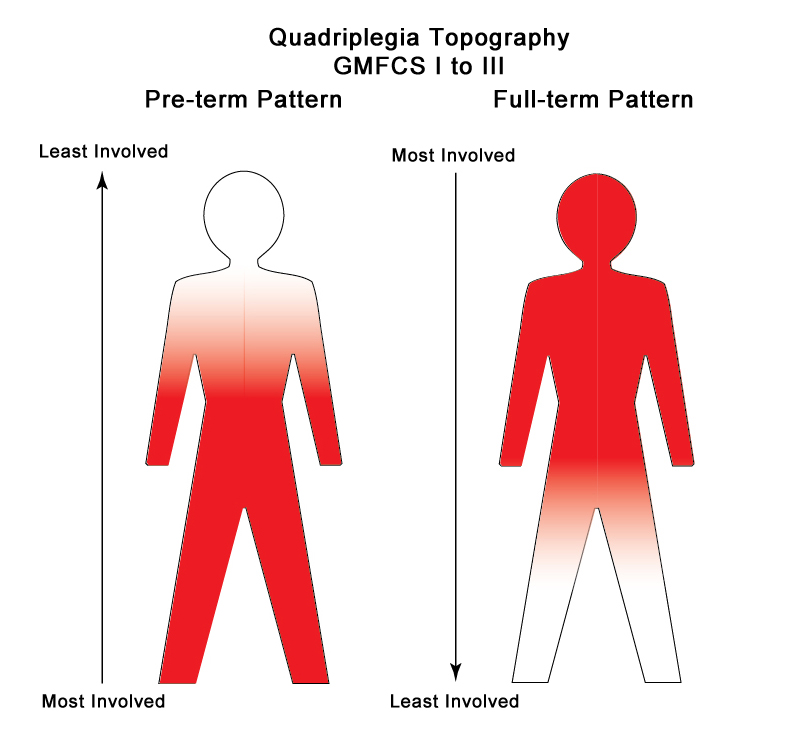
Cerebral Palsy Spastic Quadriplegia Gmfcs Level I Iii Karen Pape Md
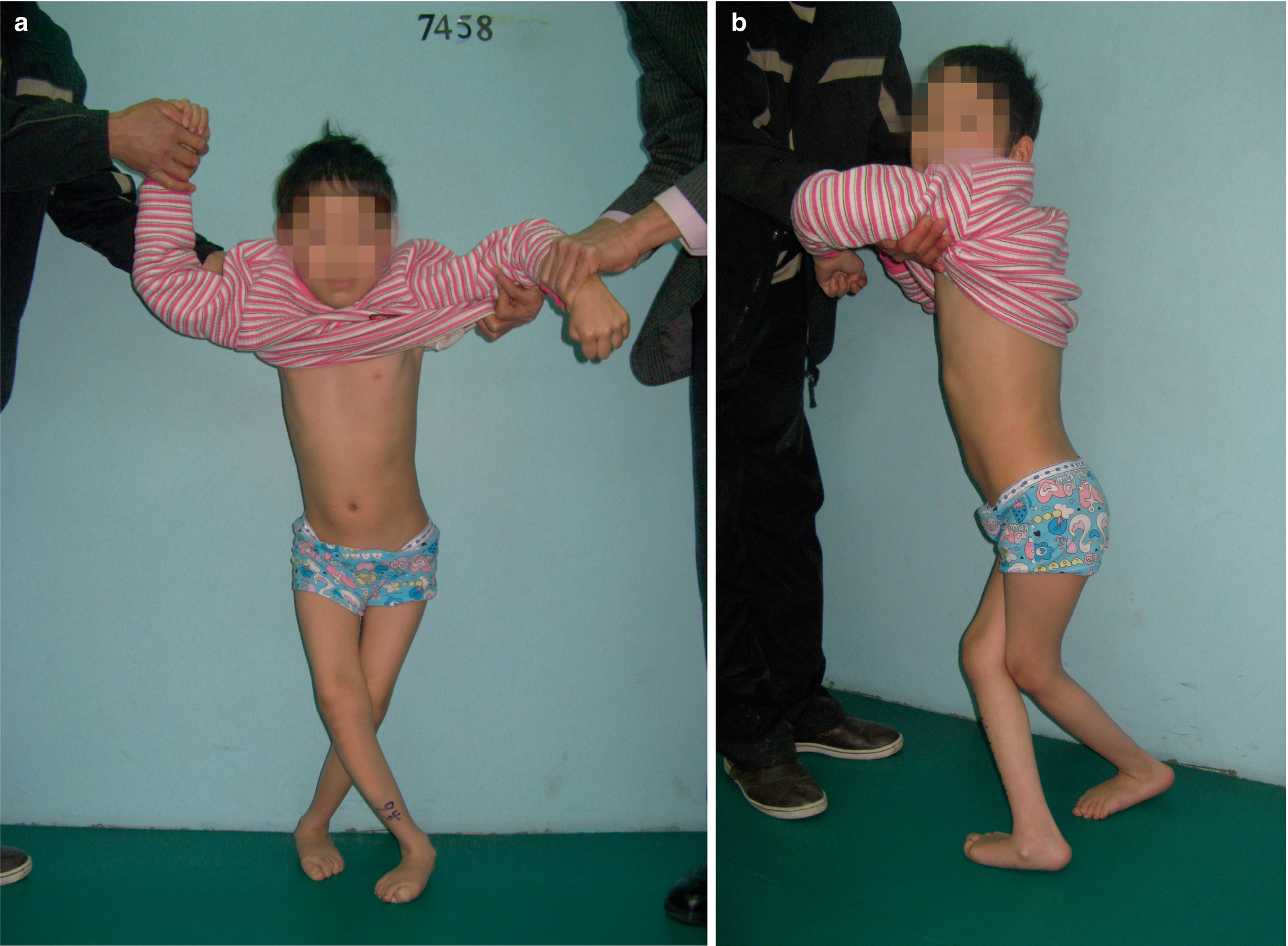
Lower Limb Deformities In Cerebral Palsy Springerlink

Pin On Cerebral Palsy
A person with cerebral palsy may have one leg which is longer than the other which could make walking difficult and uncomfortable.
Cerebral palsy one leg longer than other. The muscle of the trunk face and mouth are often also affected. One arm and one leg on one side of the body or both legs diplegia or paraplegia. Get Help Paying for Your Childs Cerebral Palsy Treatment.
Quadriplegia a form of bilateral cerebral palsy where both arms and legs are affected. A child with cerebral palsy may have one leg longer than the other to a degree that makes walking difficult or uncomfortable. Spastic hemiplegia 20-30 Cerebral palsy predominantly affecting 1 side of the body including an arm and a leg with involvement of.
Leg Length Difference. Spastic cerebral palsy sometimes called pyramidal cerebral palsy is the type of CP that is the most common affecting 75 to 80 percent of children with cerebral palsy. 1 Hemiplegia One arm leg of the same side.
Usually in such cases there is damage to the brain stem and accordingly this is manifested by impaired. The most common mixed cerebral palsy diagnosis is a combination of spastic and athetoid cerebral palsy since both of these types are characterized by issues with involuntary movement. With cerebral palsy hemiplegic cerebral palsy is the most prevalent occurring in 2030 of children with CP.
Body pain is one of the most common side effects of cerebral palsy. 3 Quadraplegia all form extremities involved. However conclusive research has not been conducted to verify this assumption.
Torsion in the legs is another possible issue where the legs either twist in or out making walking difficult. DystoniaDystonic Cerebral Palsy encompasses cases that affect the trunk muscles more than the limbs and results in fixed twisted posture. Other less severe cases of spastic cerebral palsy may be diplegic affecting primarily the legs or hemiplegic affecting the limbs on just one side of the body.
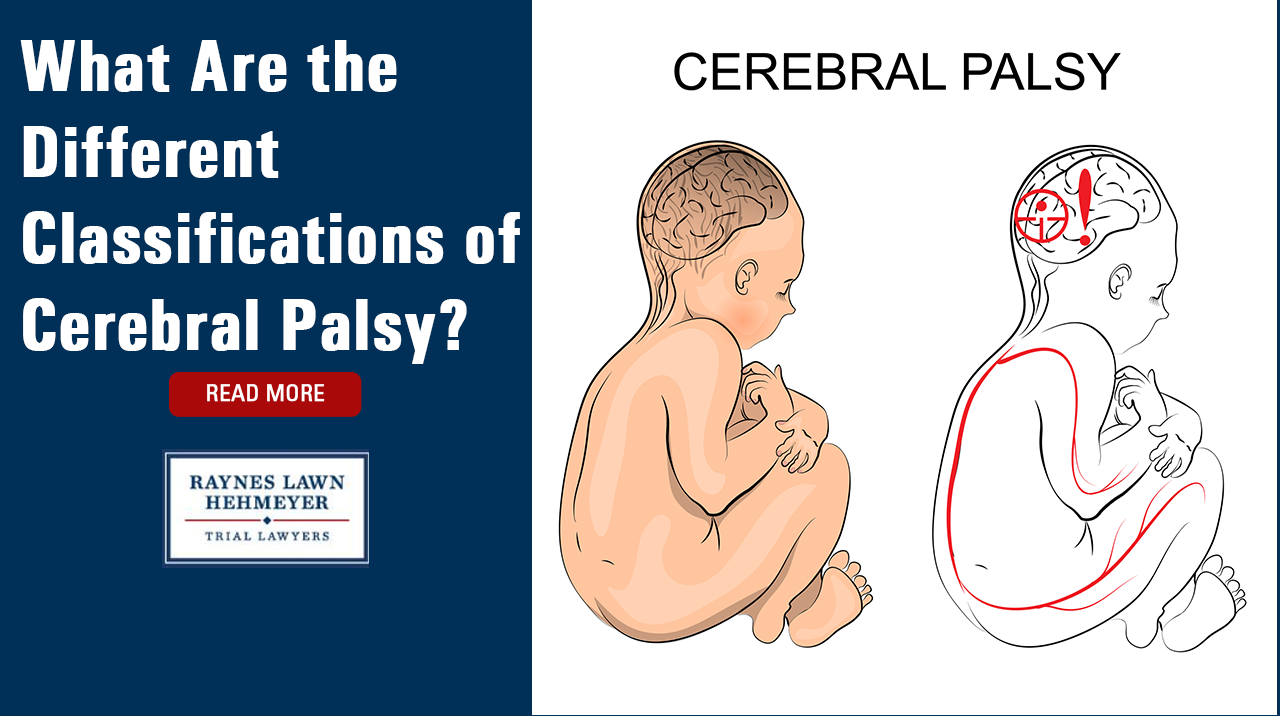
What Are The Different Classifications Of Cerebral Palsy

Pin On Writing

National Cerebral Palsy Awareness Month March 2022 National Today
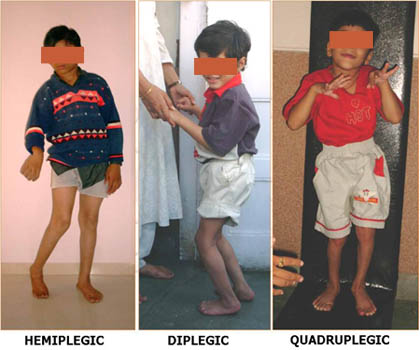
Children S Orthopaedic Center Consultant Patients Information Cerebral Palsy

Pin On Cerebral Palsy And Cord Blood Stem Cells

Pin On Lu
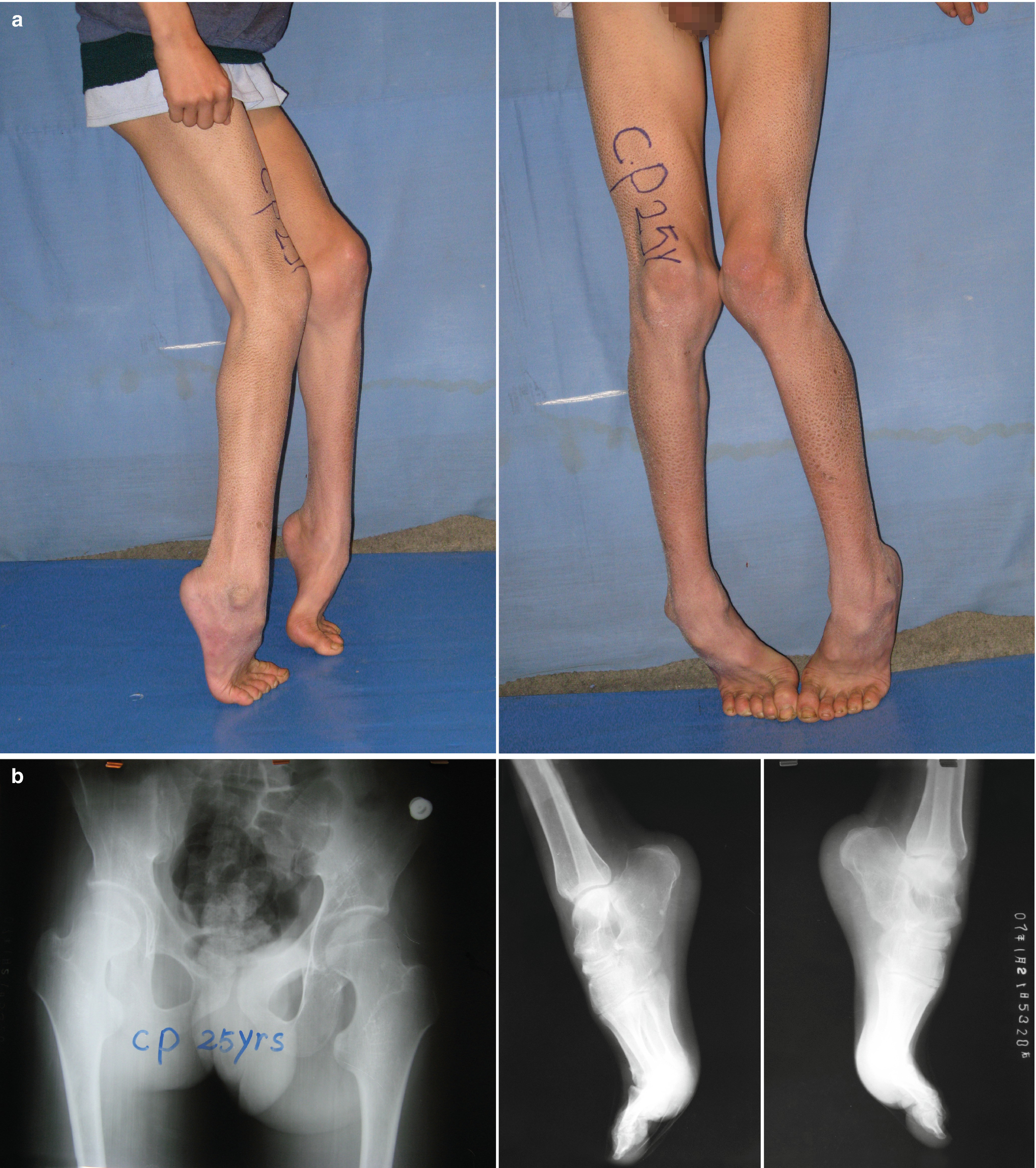
Lower Limb Deformities In Cerebral Palsy Springerlink
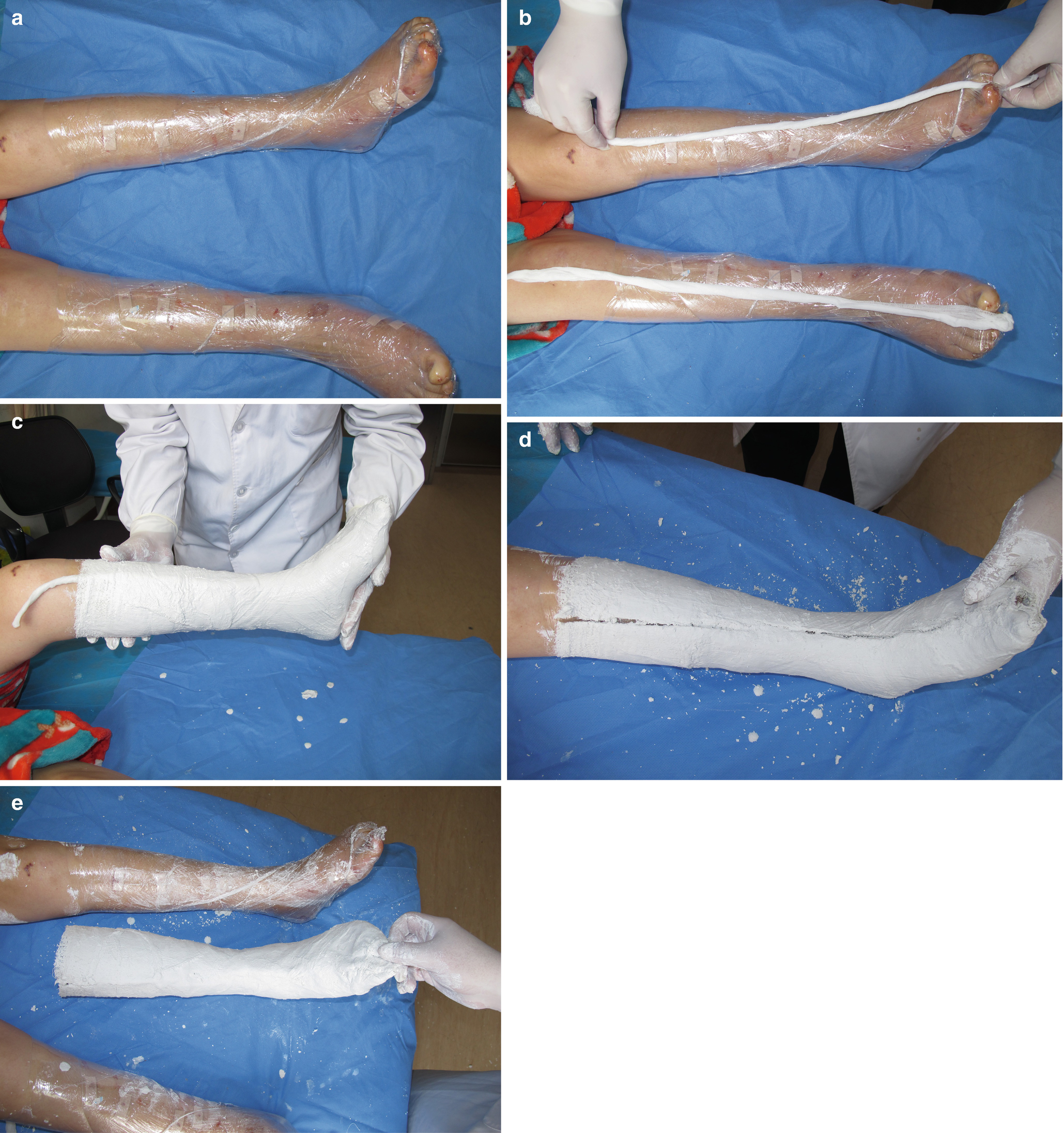
Lower Limb Deformities In Cerebral Palsy Springerlink

Spastic Cerebral Palsy Cerebral Palsy Research Network

