Cat Blood Clot Hind Legs

My Cat Has Suddenly Gone Lame In Her Hindquarters And Seems To Be In A Lot Of Pain Birnam Veterinary Clinic

Home Jonathan Wood Veterinary Surgeons

Managing A Patient With Arterial Thromboembolism Veterinary Practice
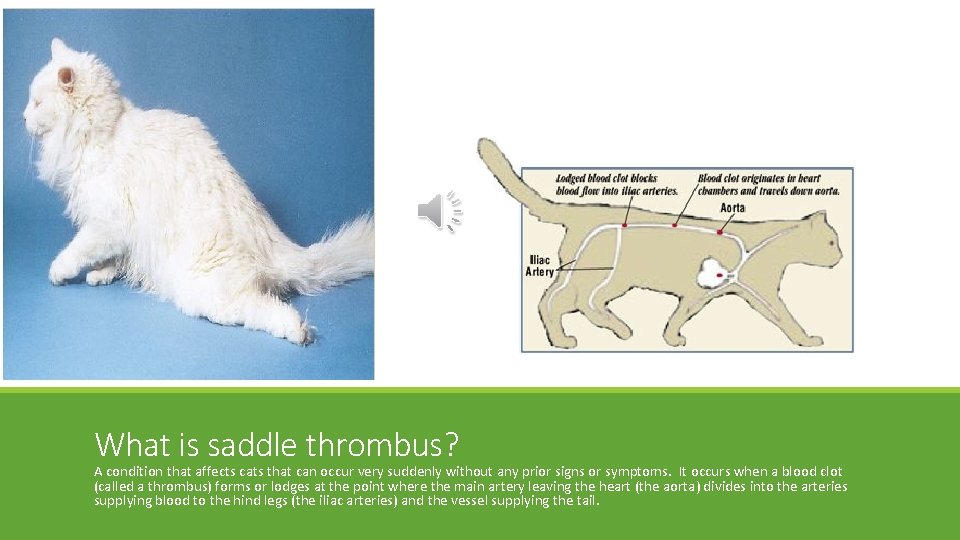
Saddle Thrombus My Cat Was Fine Just Yesterday
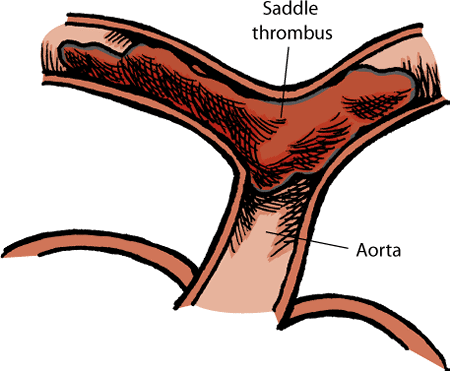
Blood Clots And Aneurysms In Cats Cat Owners Msd Veterinary Manual
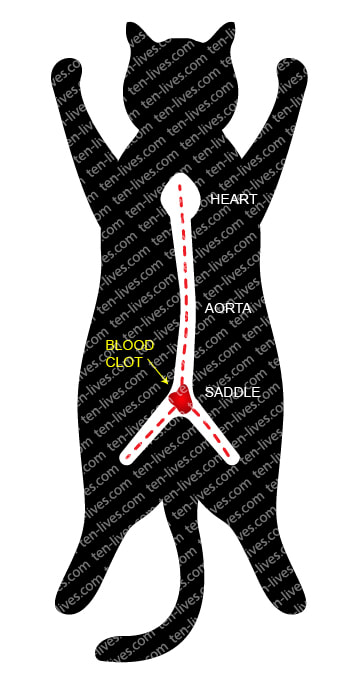
Ten Lives Cats With Blood Clots Community Support Forum
It can cause a partial or full obstruction to blood vessels at its site of origin.
Cat blood clot hind legs. Cats recovering from aortic thromboembolism should not be allowed to move and should be placed in a stress-free environment away from other pets and active children. Depending on the severity of the blood clot this can range from several days to a couple weeks. Benson explains A blood clot dislodges from somewhere in the body then lodges at the pelvic end of the aorta where the blood vessels split to go down the legs an area known as the saddle resulting in lack of blood flow to the legs.
The cats circulatory system is quite similar. This is a serious condition in cats which a thrombus blood clot affects the blood flow to the hind legs of the cat. This makes it impossible for the cat to move its back legs.
A good deal of nursing care may be required to keep the paralyzed cat clean and comfortable while the hind legs slowly heal and regain function. There will be more x-rays more labwork and an ultrasound of her chest. Recovery depends on the severity of the obstruction and the health of the heart.
If blood supply to the legs are not restored quickly permanent muscular abnormalities may develop in the affected limb. My cat Tristan overcame a blood clot in his leg when I tried an alternative remedy. If your cats hind legs suddenly stopped working this can sometimes signify a blood clot infection or stroke.
The cats legs will be evaluated to assess the clinical response to therapy. They gave him a couple of shots and checked his back legs the paws were cold. This piece is controversial.
Nursing care may be required until the cat regains function of its hind legs. This blockage may prevent the blood from travelling through the hind legs hence the cat may instantaneously start to experience pain. In many cases of blood clots in cats the clot eliminates blood flow to the back legs.

Abnormal Stance Knuckling Of The Metatarsus With Paralysis Of The Download Scientific Diagram

Pdf Feline Arterial Thromboembolism Prognostic Factors And Treatment
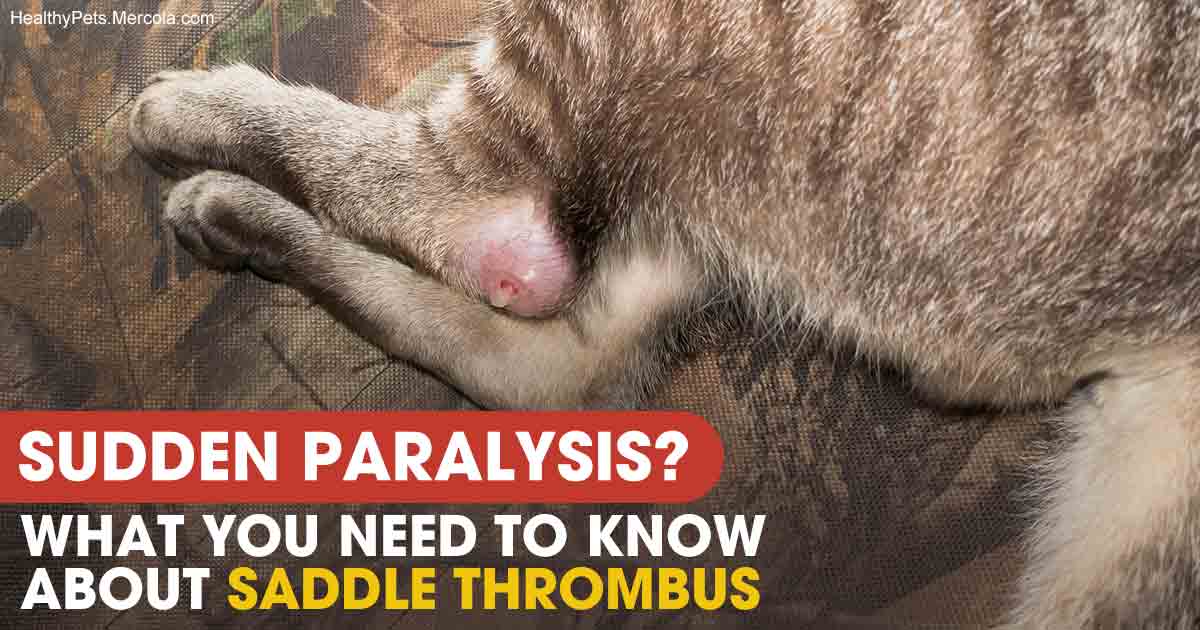
Saddle Thrombus Is Often A Complication Of Heart Disease

How To Diagnose And Treat Blood Clots In Cats 11 Steps
Feline Aortic Thromboembolism Fate Or Saddle Thrombus Veterinary Partner Vin
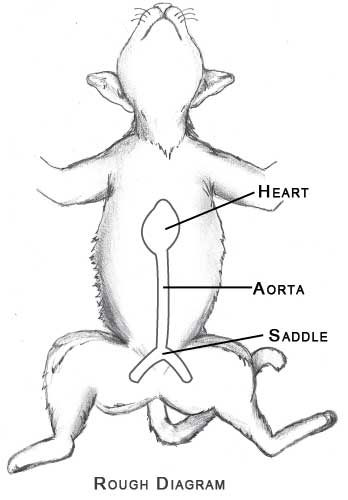
Saddle Thrombus Aortic Blood Clots In Cats

A Cat S Limp Is Not Always About The Leg Seek Help Immediately
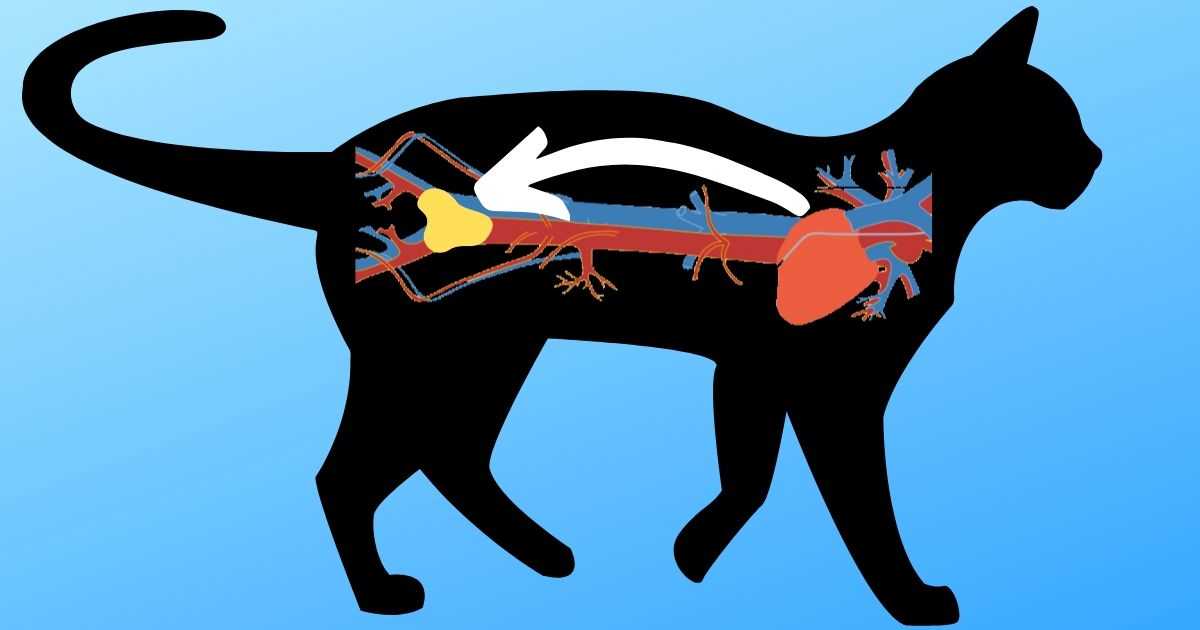
Aortic Thromboembolism In Cats Survival Data Walkerville Vet

Blood Clots A Stroke Of Bad Luck Vetzinsight Vin

