Birthmarks On Babies Legs
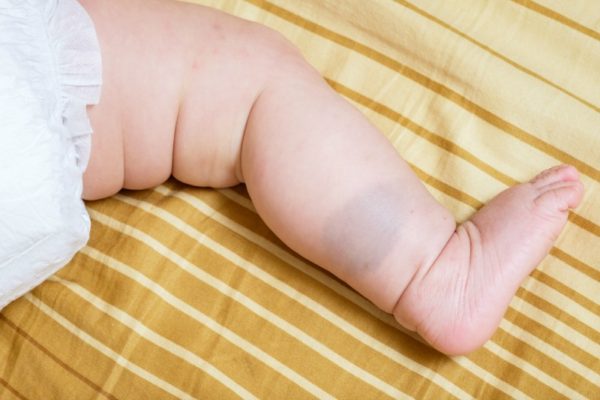
The 6 Different Types Of Baby Birthmarks

Birthmarks When Should Parents Be Concerned

Violaceous Patches On Baby S Foot Leg Mdedge Family Medicine
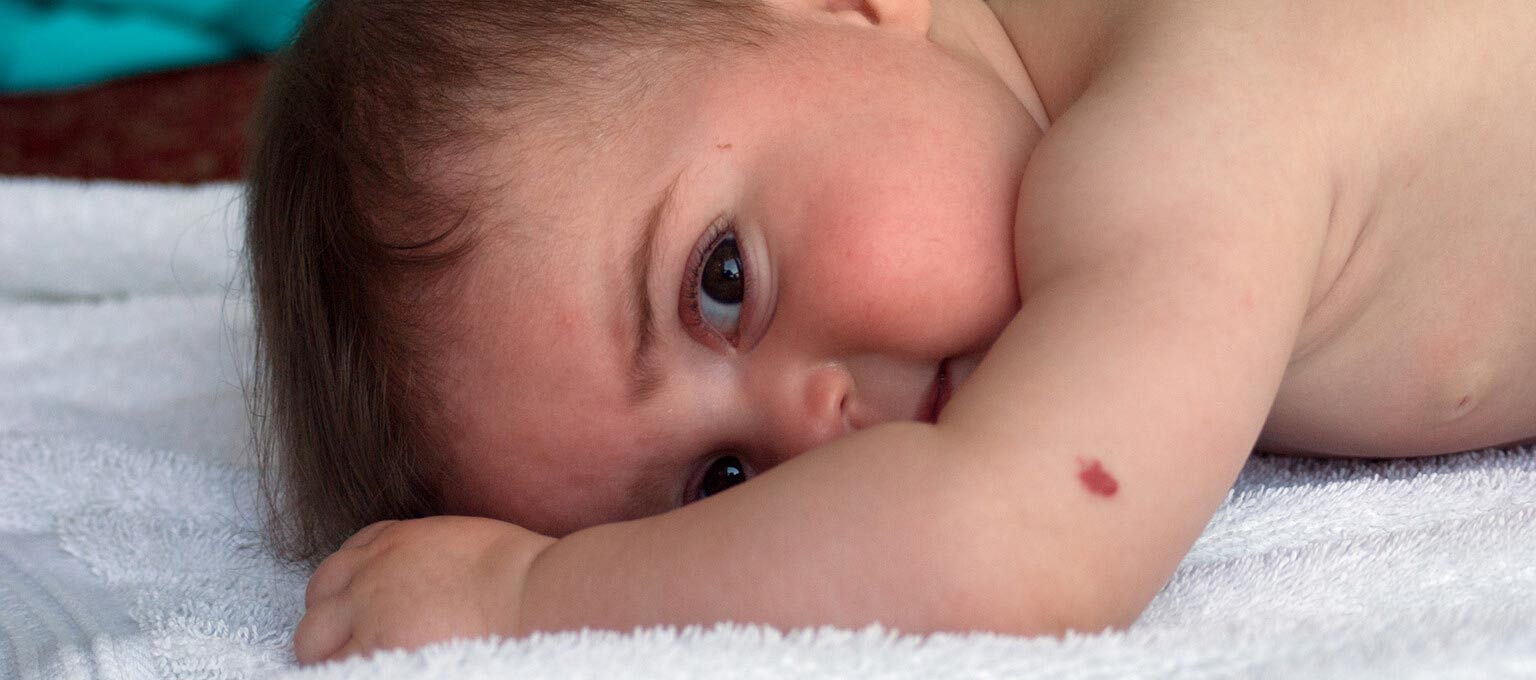
Baby Birthmarks Hemangiomas Port Wine Stains And More Pampers

Birthmarks When Should Parents Be Concerned
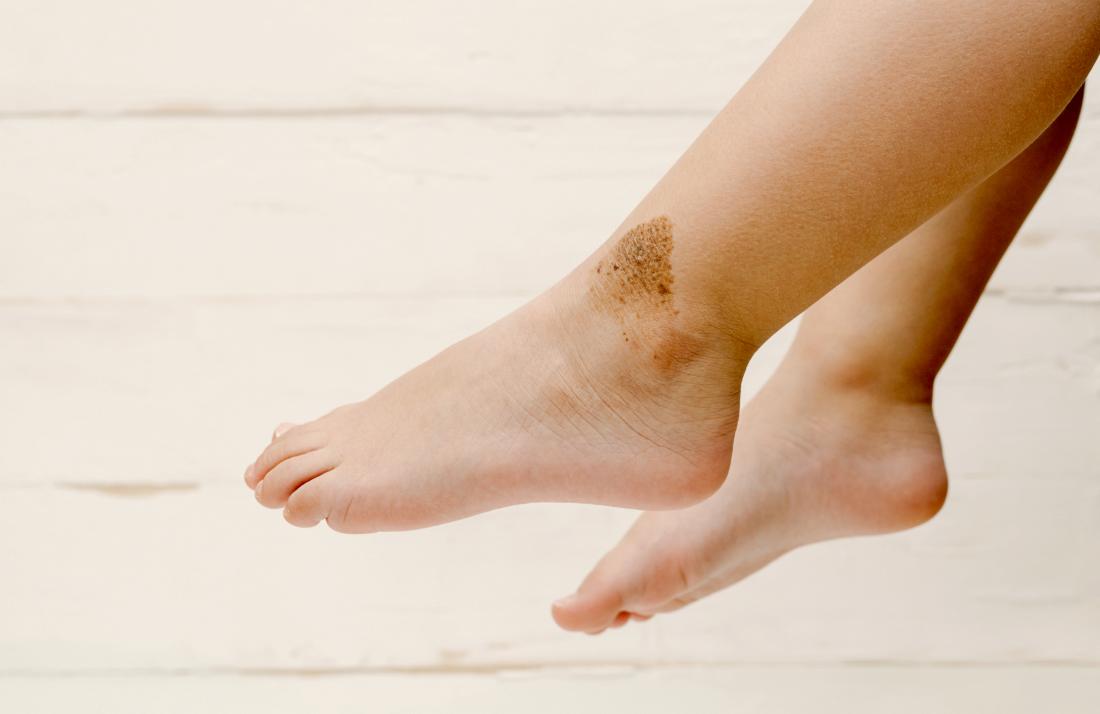
Birthmarks Causes Types And Treatments

Infants presenting with blood in the stool who have large vascular stains of the body and extremities should be examined for internal involvement.
Birthmarks on babies legs. A birthmark is a colored spot on the skin which is present at the time of birth or develops shortly after. Birthmarks that result due to the abnormal growth or formation of blood vessels and vessel cells and pigmented birthmarks ie. They do not diminish over time and are usually treated.
Deep hemangiomas form in deeper layers of the skin and appear as raised bluegray bumps. They are caused by the overgrowth of capillaries in the skin. This type of birthmark may only become obvious weeks or months after a baby is born when it starts to show on the skins surface.
But may also be found on the arms or legs. Pigmented birthmarks are usually caused when a cluster of pigmented cells grow over a small region. Birthmarks are made up of malformed pigment cells or blood vessels.
Birthmarks are areas of discolored andor raised skin that are present at birth or within a few weeks of birth. Infants presenting with seizure who have a cranial stain should be examined for brain involvement. Sometimes instead of a seeing a lump you may find a strawberry-colored patch or patches.
Capillary malformations or port wine stains occur in about one in 300 newborns and are flat dark-red birthmarks. A port-wine stain is a flat pink red or purple mark that appears at birth often on the face arms and legs and continues to grow as the child grows. Although the cause of birthmarks is not known most of them are benign non-cancerous and do not require treatment.
About 10 in every 100 babies have vascular birthmarks birthmarks made up of blood vessels. An infantile hemangioma is a birthmark that consists of an abnormally dense group of blood vessels. Her baby may be born with a birthmark on that part of her babys body.
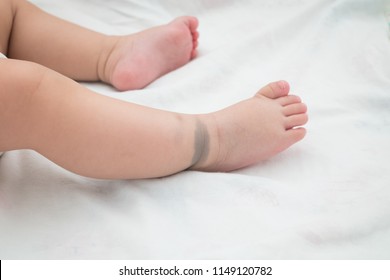
Mongolian Spots In Babies Images Stock Photos Vectors Shutterstock

All About Birthmarks In Babies A Guide For Parents

All About Birthmarks In Babies A Guide For Parents

The 6 Different Types Of Baby Birthmarks

Birthmarks Medical Center For All Seasons

Mongolian Spots Congenital Dermal Melanocytosis On Baby

Birthmarks Causes Types And Treatments

Bubba Has A Birthmark What Should I Do
Baby Birthmarks Identifying Birthmarks In Newborns Infants

