Acute Leg Ischemia

Clinical Aspect Of Acute Ischaemia Of The Right Lower Limb Download Scientific Diagram

Acute Limb Ischemia In A Peruvian Cohort Infected By Covid 19 Annals Of Vascular Surgery

Acute Limb Ischemia Surgical Clinics
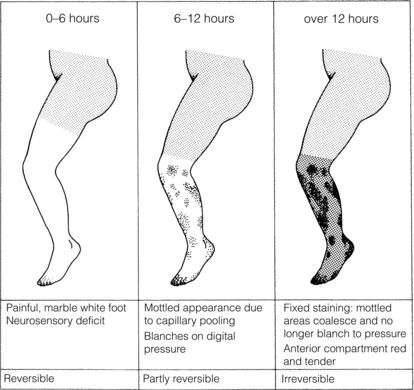
Management Of Acute Lower Limb Ischaemia Thoracic Key

Reperfusion Syndrome And Critical Limb Ischemia Michael Cumming Md Mba

Black And Blue And Red All Over Management Of Acute Limb Ischemia County Em
Acute limb ischemia is defined as a sudden decrease in limb perfusion that threatens the viability of the limb.
Acute leg ischemia. Suspect acute limb ischemia as a cause for pain andor neurologicvascular deficit in the appropriate setting. Acute limb ischemia occurs due to a sudden decrease in the blood flow to a limb resulting in a potential threat to the viability of the extremity. Acute limb ischemia 4.
By convention this usually refers to patients presenting with symptoms for less than 2 weeks. 1 The incidence of this condition is approximately 15 cases per 10000 persons per. In most cases flow is blocked by a thickened mass of blood or clot.
Acute limb ischemia ALI occurs when there is a sudden interruption of blood flow through blood vessels of the arm or leg. Acute limb ischemia 1. Acute limb ischaemia is defined as any sudden decrease in limb perfusion causing a potential threat to limb viability 1.
Among the causes for acute limb ischemia are emboli plaque disruption and thrombosis dissection trauma and low cardiac output states. Acute limb ischemia represents a clinical emergency with eventual limb loss and life-threatening consequences. An acute profoundly ischemic leg is a surgical emergency.
Acute ischemia is defined as a duration of symptoms for less than 14 days. It is one of the most common emergencies in. Acute limb ischemia ALI the sudden decrease in perfusion to an extremity is a dramatic clinical event more typically reported in association with severe infection.
64 yr old male with previous history of heart attack came to casualty with co sudden onset of pain in the right leg below the knee. Acute limb ischemia ALI results from a sudden obstruction in the arterial flow to the extremity due to an embolism or thrombosis. Such a blockage prevents necessary oxygen and nutrients from reaching cells and tissue that depend on them for survival.

Acute Limb Ischaemia Images Stock Photos Vectors Shutterstock
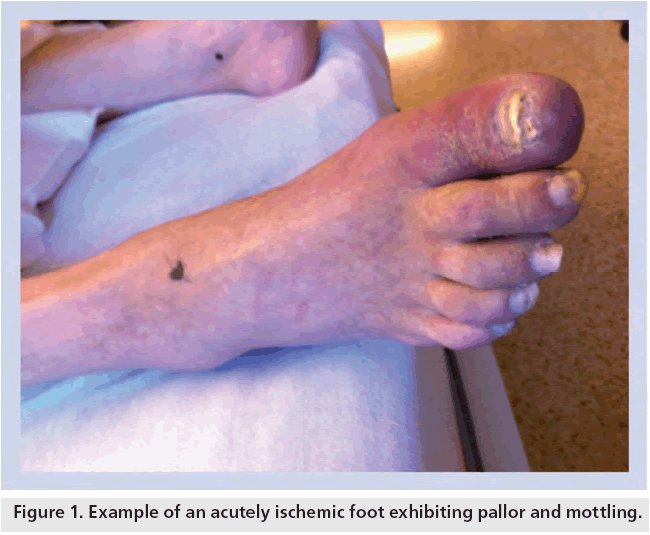
Choosing The Correct Therapeutic Option For Acute Limb Ischemia
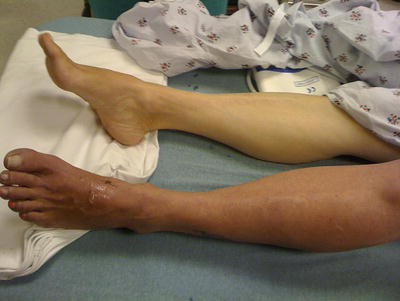
Venous Etiologies Of Acute Limb Ischemia Springerlink

Case Takeaway Acute Limb Ischemia Em Takeaway

Classification Systems For Acute And Chronic Limb Ischemia Thoracic Key
Si Mahidol Ac Th
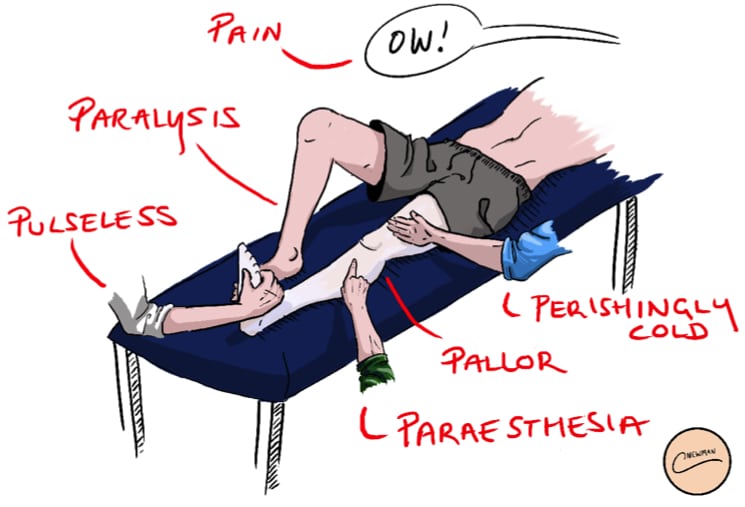
Acute Limb Ischaemia Clinical Features Management Teachmesurgery
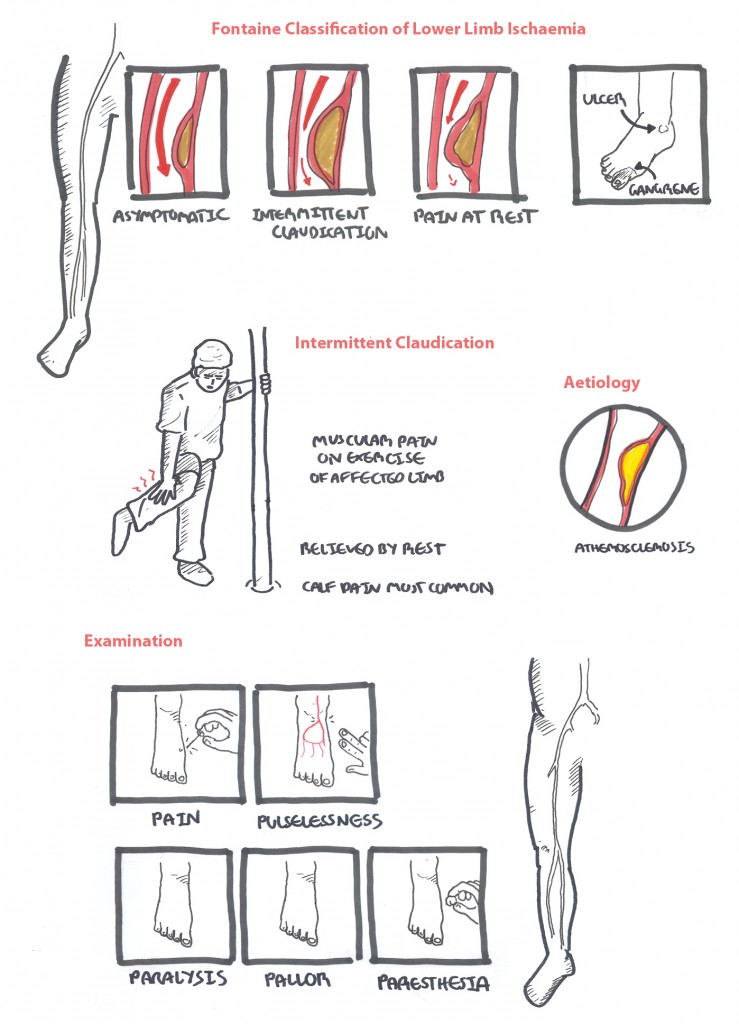
Peripheral Arterial Disease Chronic Lower Limb Ischaemia Armando Hasudungan

Medical Management Of Critical Limb Ischaemia Where Do We Stand Today Lambert 2013 Journal Of Internal Medicine Wiley Online Library

